
Residential Treatment
Outpatient vs. Residential Mental Health Treatment

Outpatient vs. Residential Mental Health Treatment: How to Choose the Right Level of Care If you’re seeking mental health treatment for yourself or someone you love, the first big question often isn’t what kind of therapy—it’s what level of care. Should you start with outpatient sessions? Or is it time for something more…
Read MoreWhen to Consider Residential Mental Health Treatment
When to Consider Residential Mental Health Treatment: Signs It’s Time for Higher-Level Care If you’re wondering whether you—or someone you love—needs more than weekly therapy to get better, you’re not alone. Many people find themselves asking: “Is this still normal stress?” “Why isn’t therapy working anymore?” “Am I really someone who needs residential…
Read MoreNature and Mental Health

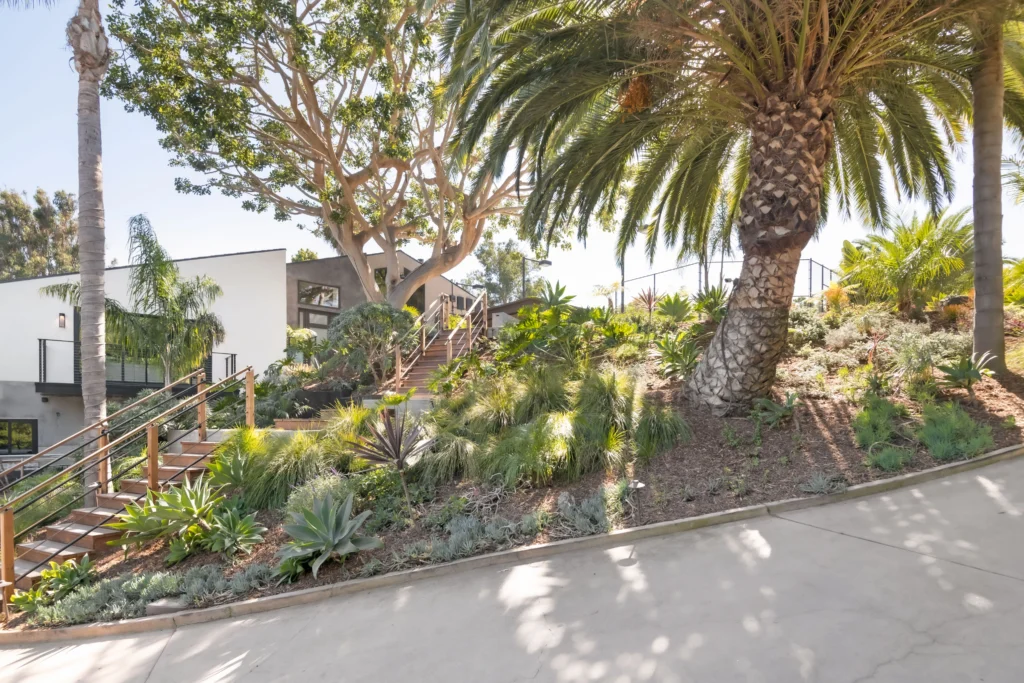
Nature and Mental Health: The California Coast and Outdoor Spaces at Amend Amend Treatment’s coastal location isn’t just beautiful—it’s deeply therapeutic. Outdoor therapy, ocean proximity, and natural spaces are powerful contributors to healing from depression, anxiety, and trauma. In this blog we’ll explore the connection between nature and mental health. Nature Is a…
Read MoreResidential Mental Health Treatment to IOP
From Residential Mental Health Treatment to IOP: Why Continuity of Care Improves Mental Health Outcomes Mental health recovery is more successful with a structured continuum of care. Amend provides residential and IOP programs that work in tandem to support long-term healing. Recovery is a Journey, Not a Destination For individuals navigating the complexities…
Read MoreThe Power of Detail

The Power of Every Detail: Why Environment, Amenities, and Care Design Matter in Mental Health Treatment Mental health healing doesn’t come from one therapy session or one medication, it emerges from the entire experience. At Amend Treatment, we design everything with intention, from the food on your plate to the light in your room,…
Read MoreResidential Mental Health Treatment Centers

Residential Mental Health Treatment Centers: Striking the Right Balance For Healing Why Balance is the Foundation of Healing at Amend Treatment At Amend Treatment, balance is a prerequisite for healing. From the way we design our therapeutic approach to the physical structure of our residential spaces, we believe that meaningful recovery happens when…
Read MoreMindfulness-Based Therapy
Mindfulness-Based Therapy: A Powerful Tool for Mental Health Healing Mindfulness-based therapy (MBT) is a category of therapeutic approaches that use mindfulness, defined as present-moment, nonjudgmental awareness, as a foundation for healing. Rather than focusing solely on symptom reduction, MBT helps individuals develop a different relationship with their thoughts, emotions, and bodily sensations. Different…
Read MoreKetamine-Assisted Therapy
When Emerging Treatments Like Ketamine-Assisted Therapy Are Relevant For Care Ketamine-Assisted Therapy for Mental Health: What You Should Know Ketamine has been used as an anesthetic since the 1970s, but in recent years, it’s gained attention for something very different: its rapid impact on mental health conditions like depression, anxiety, and PTSD. Unlike…
Read MoreTen Things to Ask Residential Mental Health Treatment Centers
Ten Things to Ask Residential Mental Health Treatment Centers Choosing the right residential mental health treatment center is a critical step in your journey toward healing and wellness. When you’re already vulnerable and facing personal challenges, it’s essential to feel confident in the care you receive. Asking the right questions can help you understand…
Read MoreWhat is Deep TMS Therapy
What is Deep TMS Therapy? Deep TMS (dTMS) is an FDA-approved, non-invasive procedure that uses an electrically-generated magnetic field to treat conditions like depression, migraines, and obsessive-compulsive disorder (OCD) by stimulating neurons in the brain. Typically used for conditions resistant to other conventional treatments, studies have shown that dTMS is more effective than alternative…
Read More